Red Light Therapy or Infrared Sauna: What’s the Difference and Which Is Better for Recovery?
With so many new recovery and longevity therapies becoming increasingly popular, how do you know which one is the right one for your needs, your wellness routine and your personal health goals?
Red light therapy and infrared sauna treatments are often confused by people, with uncertainty around how they’re different and which one is better suited for recovery. We’ve put together this handy guide to break down how red light therapy and infrared saunas differ, even though both treatments are designed to support recovery, reduce inflammation, and promote overall wellbeing. Since they do so in different ways, it’s helpful to understand what to expect from each form of therapy.
What Is Red Light Therapy?
Red light therapy makes use of specific wavelengths of red and near-infrared light to stimulate cellular activity. When this particular kind of light penetrates the skin, it directly interacts with the mitochondria, which are the energy-producing structures inside our cells.
As a result of this red light exposure, cellular energy production (ATP) is increased, leading to improvements in circulation levels and enhanced support for the body’s natural repair processes.
Because of the way red light therapy works at the cellular level, it’s most commonly used to support:
- Muscle recovery and performance
- Skin health and collagen production
- Reduced inflammation
- Joint pain relief
- Improved wound healing
Since red light therapy is non-invasive and completely painless, this is a great form of therapy for those who are new to natural therapies and looking for transformative results. The key, however, is commitment: red light therapy’s benefits take 2-3 months to fully make themselves known.
What Is An Infrared Sauna?
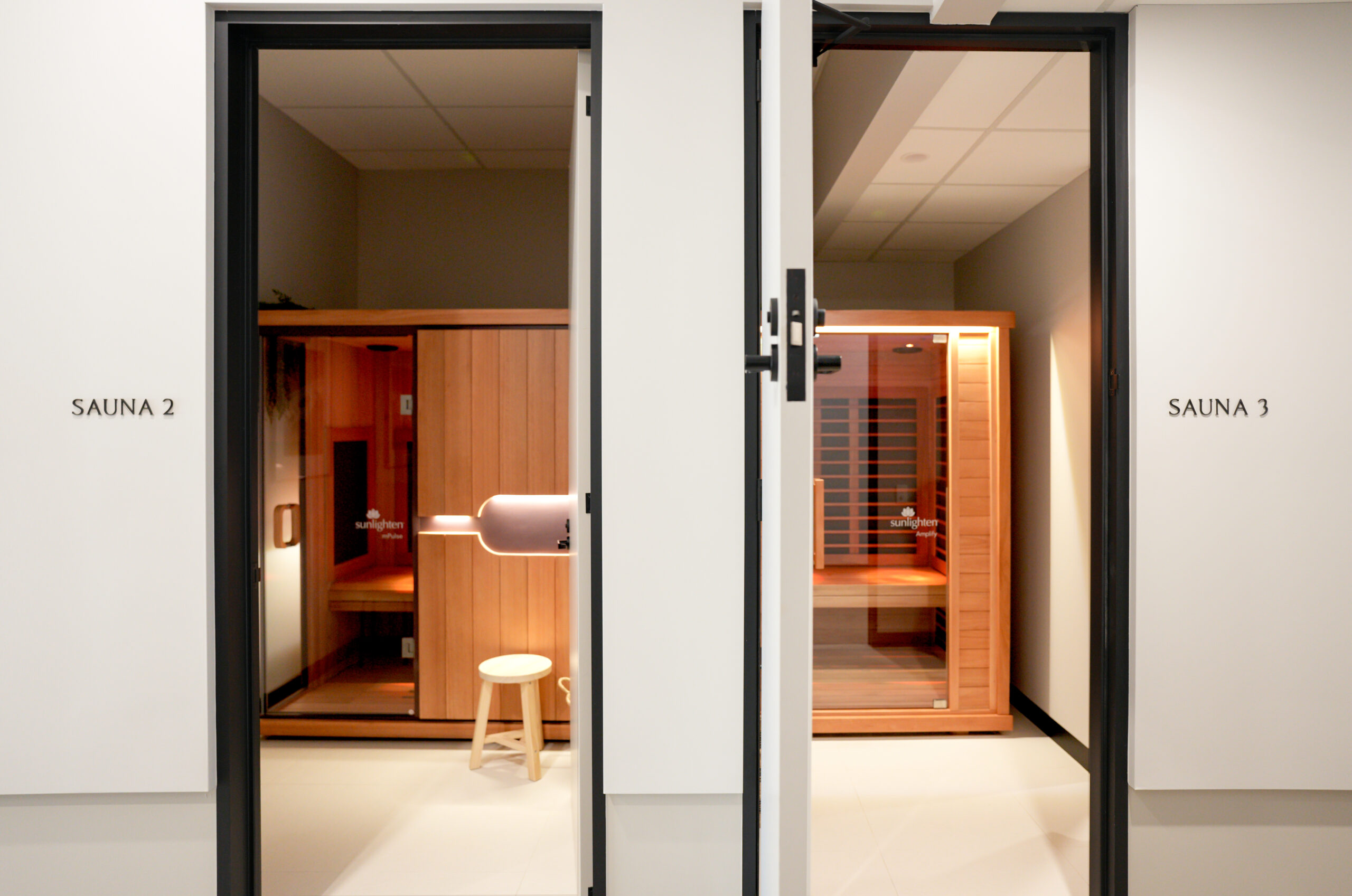
Infrared saunas work a little differently to red light therapy, and they’re different again from traditional saunas. Instead of heating the air around you like a traditional sauna, infrared saunas use infrared light to heat the body directly. As a result, heat is able to penetrate deeper into muscles and tissues, all while operating at a lower temperature than traditional saunas.
The warmth that the infrared light creates leads to more sweating, circulation, and relaxation – all perfect ingredients for improved health and wellness outcomes. Infrared sauna sessions are commonly used to support:
- Detoxification through sweating
- Muscle relaxation
- Improved circulation
- Stress reduction
- Cardiovascular health
At ReGen Wellness, our infrared sauna sessions run for 45 minutes, allowing time for a full-body heat response and the benefits that come with it.
Red Light Therapy Vs Infrared Sauna: Key Differences
Yes, both forms of therapy use light energy – but the effects on the body are different.
Red light therapy is focused on stimulating cellular repair and regeneration, doing so without raising body temperature too significantly. This works best for targeting inflammation, skin health, and tissue recovery.
By comparison, infrared sauna therapy is all about creating a response to heat, encouraging sweating, relaxation, and circulation. Detoxification and stress relief are quick to follow.
If you’re looking for cellular repair and regeneration, opt for a red light therapy routine. For increased circulation and relaxation, choose an infrared sauna session.
Conclusion
Choosing between red light therapy and infrared sauna treatments, however, doesn’t have to be an either-or approach. With both therapies offering powerful wellness benefits, you can find holistic support for your body by integrating both into your routine.
Find state-of-the-art red light therapy treatments and infrared sauna experiences at ReGen Wellness, with everything you need for improved wellness under one central roof.


