Contrast Therapy Melbourne: What Sauna And Ice Baths Mean For Recovery, Energy And Fat Loss
Contrast therapy has become increasingly popular with people looking to support exercise recovery, feel more energised and experience the effects of combining heat and cold within the same session.
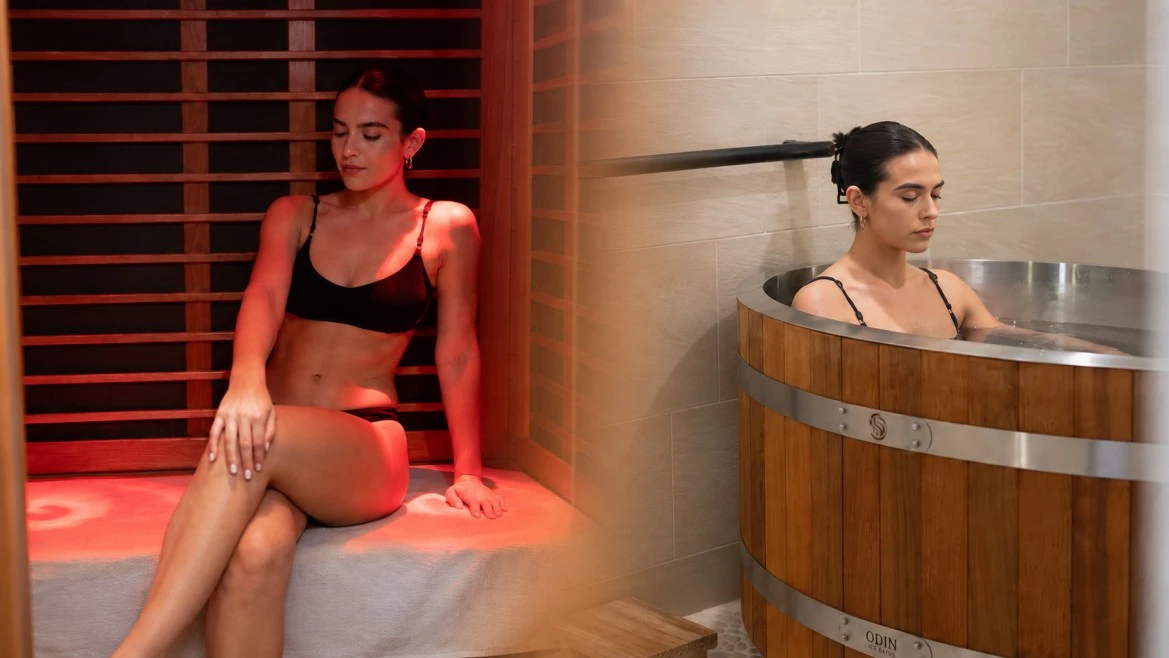
At ReGen Wellness Hampton, a contrast therapy booking moves from an infrared sauna to a shower and then a cold plunge. The gradual heat of the sauna, followed by the sudden change in temperature, creates a very different experience from using either treatment on its own.
People explore contrast therapy for different reasons, from supporting recovery after hard training to enjoying the refreshed, clear-headed feeling that can follow a session. Others are simply curious about how combining heat and cold feels compared with using either treatment on its own.
This guide explains what to expect during a contrast therapy session in Melbourne, how the sauna and cold plunge work together, and where recovery, energy and fat-loss claims fit into the bigger picture.
What Is Contrast Therapy?
Contrast therapy combines heat and cold exposure within the same session. At ReGen Wellness Hampton, this means starting in an infrared sauna before showering and moving into the cold plunge.
The sauna allows heat to build gradually before the cold plunge creates a much more immediate change in temperature. Experiencing both within the same session is what gives contrast therapy its distinctive feel.
For many people, that contrast is a big part of the appeal. The sauna provides a slower, more relaxing start to the session, while the cold plunge creates a sharper, more invigorating finish.
What to Expect During a Contrast Therapy Session
Your contrast therapy booking at ReGen Wellness runs for one hour and moves through three stages:
- Infrared sauna
- Shower
- Cold plunge
The session starts slowly in the sauna, giving you time to relax while the heat gradually builds, before shifting into the much more immediate experience of the cold plunge. This transition from sustained warmth into sudden cold is a big part of the contrast therapy experience.

Starting in the Infrared Sauna
During the infrared sauna, you can read, listen to music, use your phone or simply relax while your body warms up. For many people, this part feels easier and more comfortable than they expect, particularly if they have never used an infrared sauna before.
By the time you leave the sauna, your body is already warm, making the temperature change much more noticeable when you move into the cold water. Once the sauna portion is complete, you shower before making your way to the plunge.
Moving Into the Cold Plunge
After the sauna and shower, you move into the cold plunge. The temperature feels sharp at first, especially while your body is still warm, and ReGen Wellness often sees first-timers experience an immediate urge to get back out as the body responds to the cold.
Your breathing and heart rate may increase during those first moments. UNSW Sydney explains that sudden immersion in cold water can trigger a natural cold-shock response, which is why slowing your breathing is so important.
James from the ReGen Wellness team says that once people focus on steadying their breathing, their heart rate begins to settle and the initial mental reaction to the cold often becomes much easier to manage.
There is no need to stay in for as long as possible or treat the plunge as a test of endurance. The aim is to give your body time to adjust and work within your own comfort level.
Why Combine Sauna and Cold Plunge?
The appeal of contrast therapy is in moving through both experiences within the same session. The sauna gives you time to slow down, warm up and relax before the cold plunge creates a much sharper, more invigorating finish.
That shift from heat to cold is what makes the session feel different from booking either treatment on its own. Rather than choosing between the calm of the sauna and the refreshing feeling of the plunge, contrast therapy brings both together in one routine.
For many people, it is the combination that makes the session feel complete, particularly when recovery is the goal.

Why Can You Feel More Alert Afterwards?
Cold water creates an immediate physical response, which is why many people describe feeling refreshed, awake or clear-headed after the plunge.
James, ReGen Wellness, says one of the most common things people notice afterwards is a rush of energy, along with an uplift in mood. That post-session lift is one of the reasons contrast therapy appeals to people looking for a more energising recovery experience.
Some clients also report feeling less sore or uncomfortable afterwards, although individual responses vary.
Can Contrast Therapy Support Recovery?
Recovery is one of the main reasons people use cold and contrast-based therapies. Australian research has found that cold water immersion can support some aspects of post-exercise recovery, including muscle soreness, while another systematic review and meta-analysis reported benefits for some measures of neuromuscular recovery and perceived fatigue.
For active people, that makes recovery one of the more evidence-supported reasons to explore contrast therapy, particularly alongside sleep, hydration, nutrition and appropriate rest.
ReGen Wellness includes contrast therapy within its Recovery Protocol, where it is combined with other recovery-focused therapies as part of a broader routine.
Where Does Contrast Therapy Fit With Fat-Loss Goals?
Heat and cold both create a physical response, which is why contrast therapy is often included in wellness routines focused on metabolism, body composition and overall energy.
That does not make a sauna and cold plunge a standalone fat-loss treatment. Instead, contrast therapy may complement the habits that have a much greater influence on body composition, including regular movement, balanced nutrition, quality sleep and recovery.
At ReGen Wellness, contrast therapy can also form part of the goal-based Burner Protocol, which brings several therapies together around body composition and metabolic goals rather than promising a specific weight-loss result.
You can also read more about ice baths, calories and fat loss if you want a closer look at the cold-exposure side of the research.

Who May Enjoy Contrast Therapy?
Contrast therapy may suit people who enjoy both heat and cold exposure and want to combine them within the same recovery session.
This may include:
- people who train regularly
- athletes managing demanding exercise schedules
- people who already enjoy sauna or cold plunges
- people looking for a more invigorating recovery experience
- people curious about the contrast between relaxation and post-plunge alertness.
You do not need to be an athlete to try contrast therapy. For many people, the combination of heat, cold and the feeling afterwards is part of what makes the session enjoyable.
Is Contrast Therapy Suitable for Everyone?
Contrast therapy may not be suitable for everyone. UNSW Sydney recommends extra caution for people with heart, stroke or respiratory risks because cold water immersion can place sudden demand on the cardiovascular and respiratory systems.
If you have an existing medical condition or are unsure whether heat and cold exposure are appropriate for you, speak with a healthcare professional before booking and complete ReGen Wellness’s medical information accurately.
What Should You Bring to Your First Session?
Your contrast therapy booking runs for one hour, moving from the infrared sauna to the shower and then the cold plunge. Wear or bring something comfortable to change into and anything you would normally need after using a sauna or cold plunge.
You do not need to prepare by attempting extreme cold exposure at home. The ReGen Wellness team can explain the process and help you understand what to expect before you begin.
If you are sharing a contrast session, arrive together and be ready to start on time so you can make full use of the hour.
Is Contrast Therapy Worth Trying?
Contrast therapy can be a great option if you enjoy the combination of heat and cold, want to support recovery or simply like the way the session makes you feel afterwards.
Part of the appeal is that you get two very different experiences in the same hour: time to relax in the sauna, followed by the more invigorating cold plunge. Many people enjoy that mix of calm, challenge and the refreshed feeling that follows.
If you are curious to see how it feels for yourself, you can book a contrast therapy session at ReGen Wellness Hampton.


