PEMF Therapy Melbourne: Benefits, Research & What to Expect
People explore PEMF therapy for a range of reasons, from supporting recovery and managing musculoskeletal discomfort to adding another non-invasive therapy to their regular wellness routine. While you may have seen PEMF associated with everything from energy and sleep to cellular health, the strongest approach is to look at what research has actually studied rather than treating every proposed benefit as equally established.
Research into pulsed electromagnetic field therapy has produced encouraging findings in some areas, particularly musculoskeletal pain and physical function. Results can vary according to the condition being studied and the treatment protocol used, which is why current research continues to explore where PEMF may be most useful.
At ReGen Wellness Hampton, PEMF therapy offers a comfortable, non-invasive treatment that can be used on its own or incorporated into a broader recovery and wellness routine. If you are considering PEMF therapy in Melbourne, understanding the research and knowing what happens during a session can help you decide whether it is something you would like to explore.
What is PEMF therapy?

PEMF stands for pulsed electromagnetic field therapy. A PEMF device produces electromagnetic fields that pulse on and off and pass through the body.
The University of Queensland’s RECOVER Injury Research Centre explains that pulsed electromagnetic fields can induce very small electrical currents within tissue. Human tissues contain charged molecules that can respond to electromagnetic fields, which is one reason PEMF has been investigated for different therapeutic applications.
This interaction with the body is one reason PEMF has attracted research interest across areas including pain, physical function, rehabilitation and recovery.
Research into how PEMF therapy works explores how pulsed electromagnetic fields may interact with the body and why the technology is being studied across different health applications.
What does the research suggest about PEMF therapy?
PEMF has been studied across a range of applications, including musculoskeletal pain, physical function and tissue recovery.
Australian researchers are also continuing to investigate how electromagnetic fields affect cells. A current research project at the Australian National University is investigating how different electromagnetic field strengths and frequencies affect bone-forming and bone-remodelling cells.
Research into pain and musculoskeletal conditions has also produced encouraging findings. A University of South Australia review found short-term reductions in pain in studies involving people with chronic neck pain and osteoarthritis, while noting that further high-quality research was needed.
Together, this research helps explain why PEMF continues to attract interest across pain, physical function and recovery. Results still depend on the condition, device and treatment protocol being studied, so the evidence is best considered within those specific contexts.
Research into PEMF therapy for pain relief has explored its potential role in supporting people with different types of musculoskeletal discomfort and pain.
PEMF as part of a recovery routine
Recovery is another reason people incorporate PEMF into their wellness routine, particularly alongside training, exercise or other recovery therapies.
PEMF research spans areas including musculoskeletal function, rehabilitation and tissue recovery. Studies may involve people recovering from specific injuries as well as healthy adults using PEMF alongside exercise and recovery, which means the results need to be considered in the context of who was studied and how the therapy was used.
This is why PEMF is better viewed as one tool within a broader recovery strategy rather than something that replaces the foundations of recovery.
Sleep, nutrition, hydration, appropriate movement, rest, and any rehabilitation recommended by your healthcare professional still matter. PEMF can sit alongside these habits for people who want to make structured recovery part of their routine.
PEMF is also commonly explored as part of athletic recovery and exercise routines, particularly alongside other strategies that support rest and recovery.
Why PEMF results can vary
PEMF research does not use one standard treatment protocol. Studies may use different devices, electromagnetic field strengths and frequencies, session lengths and treatment schedules, depending on what researchers are investigating.
The people taking part also vary. A study involving someone recovering from a specific injury may produce different results from research involving people with chronic musculoskeletal discomfort or healthy adults using PEMF alongside exercise.
In addition, researchers may be looking for different outcomes, such as changes in pain, physical function, mobility or recovery.
This variation helps explain why PEMF research can produce different results between studies. It also makes it important to look at what was actually being studied rather than treating every PEMF session as identical.
What does PEMF feel like?

PEMF is non-invasive and does not involve needles, physical manipulation or exercise.
The experience can vary from person to person. Some people may notice physical sensations during the session, while others may notice very little.
There is no particular sensation you need to feel while PEMF is being delivered, so your experience may be different from someone else’s.
The setup also gives you the opportunity to lie down, switch off for part of the day and make recovery time a more deliberate part of your routine.
How often can you use PEMF?
There is no single PEMF schedule that suits every person or every goal. Research uses a wide range of treatment frequencies and session lengths depending on the condition, device and outcome being studied. General wellness use may follow a different schedule again.
How often you choose to book PEMF may depend on your goals, how it fits into your existing recovery or wellness routine and how you respond to your sessions.
For someone using PEMF regularly, consistency can make it easier to assess how the therapy fits into their routine rather than judging the experience from one isolated session.
If you are using PEMF alongside treatment for an injury or health condition, speak with the healthcare professional managing your care about how complementary therapies fit into your wider treatment plan.
PEMF alongside other wellness therapies
PEMF can be booked as a standalone treatment or incorporated into a broader wellness routine.
At ReGen Wellness Hampton, it is also included in selected protocols that combine different therapies around a particular goal.
The Relief Protocol combines PEMF with infrared sauna as part of a structured relief-focused session.
What to expect at your first PEMF session

There is very little you need to do before your first appointment at ReGen Wellness Hampton.
Before you arrive, complete the new-client form included in your booking confirmation and provide any relevant information about medical conditions, medications or current treatment. This gives the ReGen Wellness team the information they need to review before your session.
Wear comfortable clothing that you are happy to lie in. You remain fully clothed throughout PEMF therapy and remove your shoes before settling onto the treatment setup. A blanket is available if you would like one.
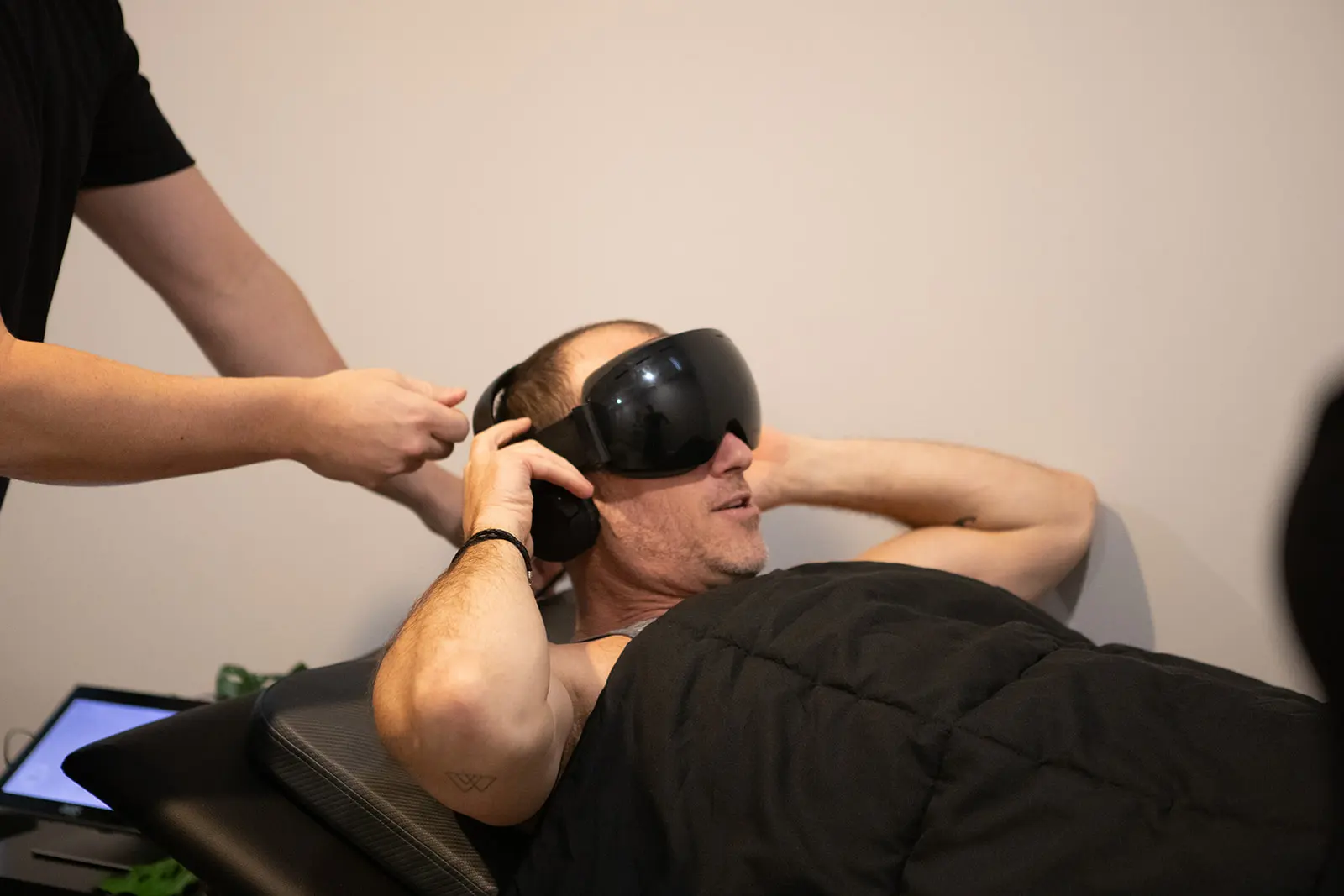
When you arrive, the team will explain the session and help you get comfortable in the private treatment area. Once the session begins, no exercise or active participation is required. You can simply lie down and relax while the PEMF system operates.
ReGen Wellness uses the SwissBionic iMRSPrime Hybrid system for its PEMF sessions at the Hampton wellness centre.
If you are managing an existing health condition or receiving medical treatment, it is also sensible to keep your regular healthcare professional informed about any complementary therapies you use. Victoria’s Better Health Channel recommends using complementary therapies alongside conventional healthcare rather than replacing prescribed treatment or medical advice.
Frequently asked questions
What are the potential benefits of PEMF therapy?
PEMF has been researched across areas including musculoskeletal pain, physical function, rehabilitation and tissue recovery. Australian university research has also explored how electromagnetic fields affect cells and tissues, while studies into pain and musculoskeletal conditions have reported encouraging findings in some groups.
The potential benefits depend on why PEMF is being used and the treatment protocol involved.
Do I need to undress for PEMF therapy?
No. You remain fully clothed during your PEMF session at ReGen Wellness Hampton. Wear comfortable clothing that you are happy to lie down in and remove your shoes before getting settled.
Do I need to prepare before a PEMF session?
There is no complicated preparation required. Complete your new client form before your first appointment, include any relevant health information and wear comfortable clothing for the session.
Does PEMF therapy hurt?
PEMF is non-invasive and does not involve needles, manipulation or exercise. People experience sessions differently, and there is no particular physical sensation you need to feel while PEMF is being delivered.
How often can I have PEMF therapy?
There is no universal schedule for PEMF. Frequency can depend on your goals, how regularly you want to incorporate it into your routine and any relevant healthcare advice.
Can I use PEMF instead of medical treatment?
PEMF is a complementary wellness therapy and should not replace appropriate medical care. If you are managing an injury, ongoing pain or another health condition, continue to follow the advice of your healthcare professional.
Where can I try PEMF therapy in Melbourne?
ReGen Wellness offers PEMF therapy at its Hampton wellness centre, conveniently located for clients across Melbourne’s Bayside suburbs, including Brighton, Sandringham and Beaumaris.
Experience PEMF therapy at ReGen Wellness Hampton

PEMF continues to attract research interest across areas including pain, physical function, rehabilitation and recovery, with encouraging findings in some applications and ongoing Australian research into cellular responses to electromagnetic fields.
For people looking to add a non-invasive therapy to their existing wellness or recovery routine, PEMF is straightforward to incorporate. The ReGen Wellness team can explain the process before your first appointment and help you understand how it may fit into your wider routine.
Book your PEMF therapy session at ReGen Wellness Hampton and experience the treatment for yourself.


