Winter Recovery Melbourne: How to Support Circulation, Energy and Inflammation During Cold Months
Winter in Melbourne brings cooler temperatures, shorter days, and a noticeable shift in how the body feels and functions. Circulation can slow, joints may feel stiffer, and energy levels often drop. These seasonal changes are not just a matter of comfort. They reflect how the body adapts to cold environments.
Understanding how to approach winter recovery in Melbourne from a structured perspective can help support circulation, energy production, and inflammation management throughout the colder months.
Why recovery matters more in winter
Cold temperatures naturally cause blood vessels to constrict, reducing circulation to the extremities. This is why hands and feet often feel cold and why stiffness or discomfort can increase during winter .
Reduced circulation can also affect how efficiently oxygen and nutrients are delivered throughout the body. Combined with lower activity levels and seasonal changes in routine, this can lead to:
- Increased muscle stiffness
- Slower recovery from exercise
- Higher levels of inflammation
- Lower overall energy
This is where a structured approach to winter recovery treatments becomes important. Rather than relying on a single method, combining therapies can help support multiple systems at once.
Heat vs cold: the role of contrast therapy
One of the most effective approaches during winter is contrast therapy, which involves alternating between heat and cold exposure.
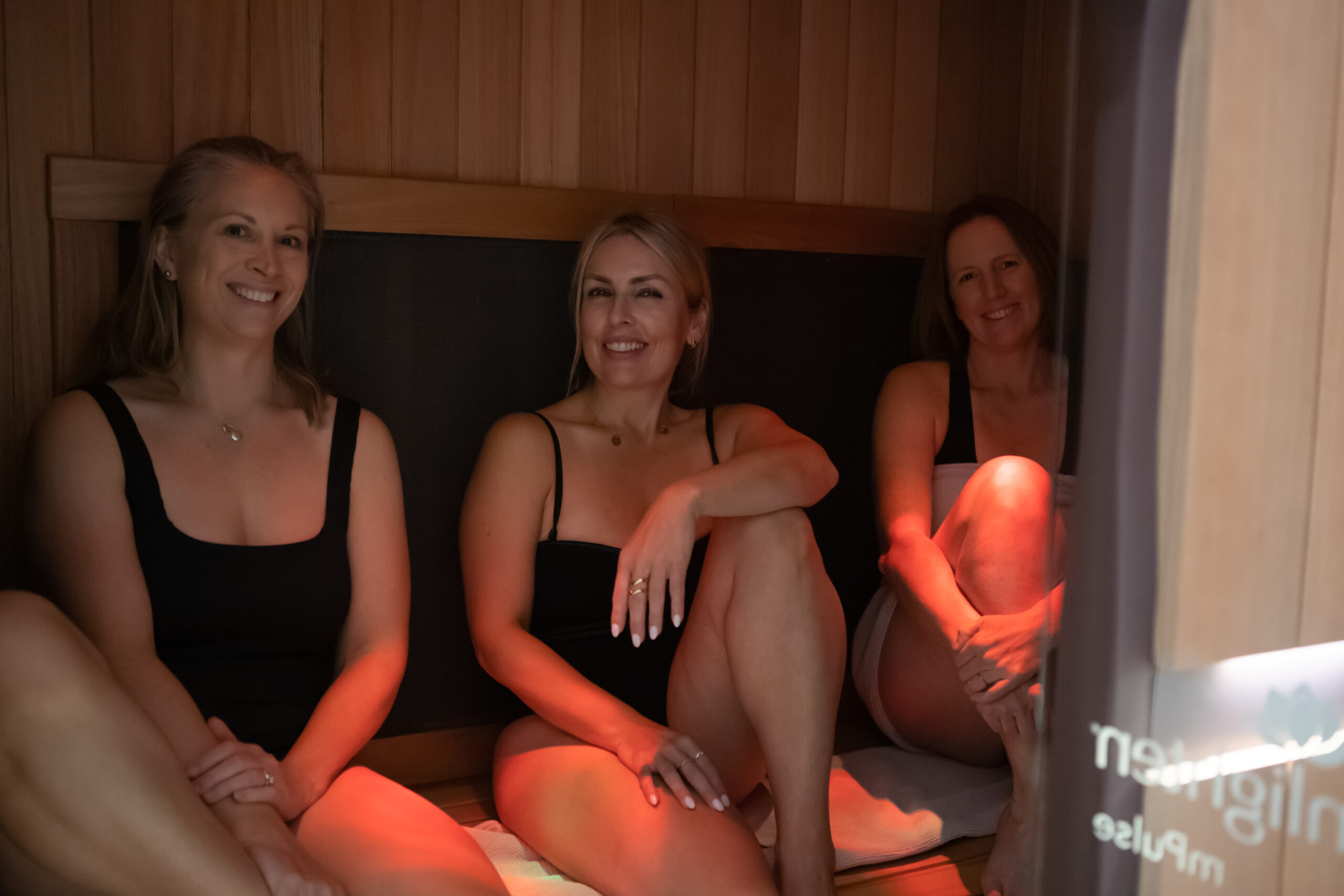
Heat-based therapies, such as infrared sauna therapy, work by expanding blood vessels and increasing circulation. This helps deliver oxygen and nutrients more efficiently while promoting muscle relaxation.
Cold exposure, through ice bath therapy, has the opposite effect. It constricts blood vessels and activates the body’s natural stress response. When followed by rewarming, circulation increases again, creating a pumping effect that supports recovery.
Together, these therapies help improve blood flow, reduce stiffness, and support the body’s ability to adapt to temperature changes.
Supporting circulation and inflammation
Circulation and inflammation are closely linked, particularly during winter. When blood flow is reduced, waste products can accumulate more easily in tissues, contributing to discomfort and slower recovery.
Therapies such as PEMF therapy can support this process at a deeper level. By working with the body’s natural electrical activity, PEMF helps regulate cellular function and may assist in reducing inflammation over time.
Cold weather can also increase sensitivity in joints and muscles, making recovery more important. Supporting circulation through both movement and targeted therapies helps maintain flexibility and comfort throughout the season.
Energy, mitochondria and winter fatigue
Lower energy levels are a common experience during winter, and this is often linked to changes in cellular energy production.
At a cellular level, energy is produced by mitochondria. When these systems are supported, the body is better able to maintain consistent energy, repair tissue, and respond to stress.
Therapies such as red light therapy are often used to support mitochondrial function. By delivering specific wavelengths of light, this therapy helps stimulate cellular activity and energy production.
Similarly, hyperbaric oxygen therapy works by increasing the amount of oxygen available in the body. This can support tissue repair, recovery, and overall cellular performance.
When combined, these advanced recovery treatments create a more comprehensive approach to managing winter fatigue and supporting long-term wellbeing.
Why combining therapies matters
Each therapy plays a different role, but their benefits are most effective when combined.
- Heat improves circulation
- Cold supports adaptation and recovery
- Light-based therapies enhance cellular energy
- Electromagnetic therapies support inflammation and repair
- Oxygen therapy enhances overall cellular function
This layered approach is reflected in structured recovery wellness protocols that bring multiple therapies together to support the body as a whole.
Rather than focusing on a single outcome, this approach looks at how different systems interact and how they can be supported together.
Winter recovery plan
A consistent routine is key to seeing benefits during winter. A simple weekly structure might include:
2 to 3 sessions per week:
- Infrared sauna followed by ice bath therapy
- Red light therapy for cellular support
- PEMF therapy to assist recovery and inflammation
1 to 2 sessions per week:
- Hyperbaric oxygen therapy for deeper cellular support
Sessions can be adjusted based on individual needs, but consistency is more important than intensity. Even shorter, regular sessions can support circulation and recovery when maintained over time.
This type of structured routine reflects the broader approach used across wellness protocols that focus on long-term results rather than quick fixes.
Taking a consistent approach to winter recovery
Winter recovery is not about doing everything at once. It is about creating a routine that supports circulation, energy, and inflammation in a manageable way.
By combining therapies and maintaining consistency, the body is better equipped to handle seasonal stress and maintain overall balance.
Exploring a range of advanced recovery treatments allows for a more tailored approach, where each element supports a different part of the recovery process.
Final thoughts
Winter places additional demands on the body, particularly when it comes to circulation, energy, and recovery. Taking a structured approach to winter recovery in Melbourne helps address these changes in a practical and effective way.
Rather than relying on a single therapy, combining heat, cold, and cellular support treatments creates a more complete system for recovery. With the right balance, winter can become a time to support the body, rather than work against it.


